Understand the resource model
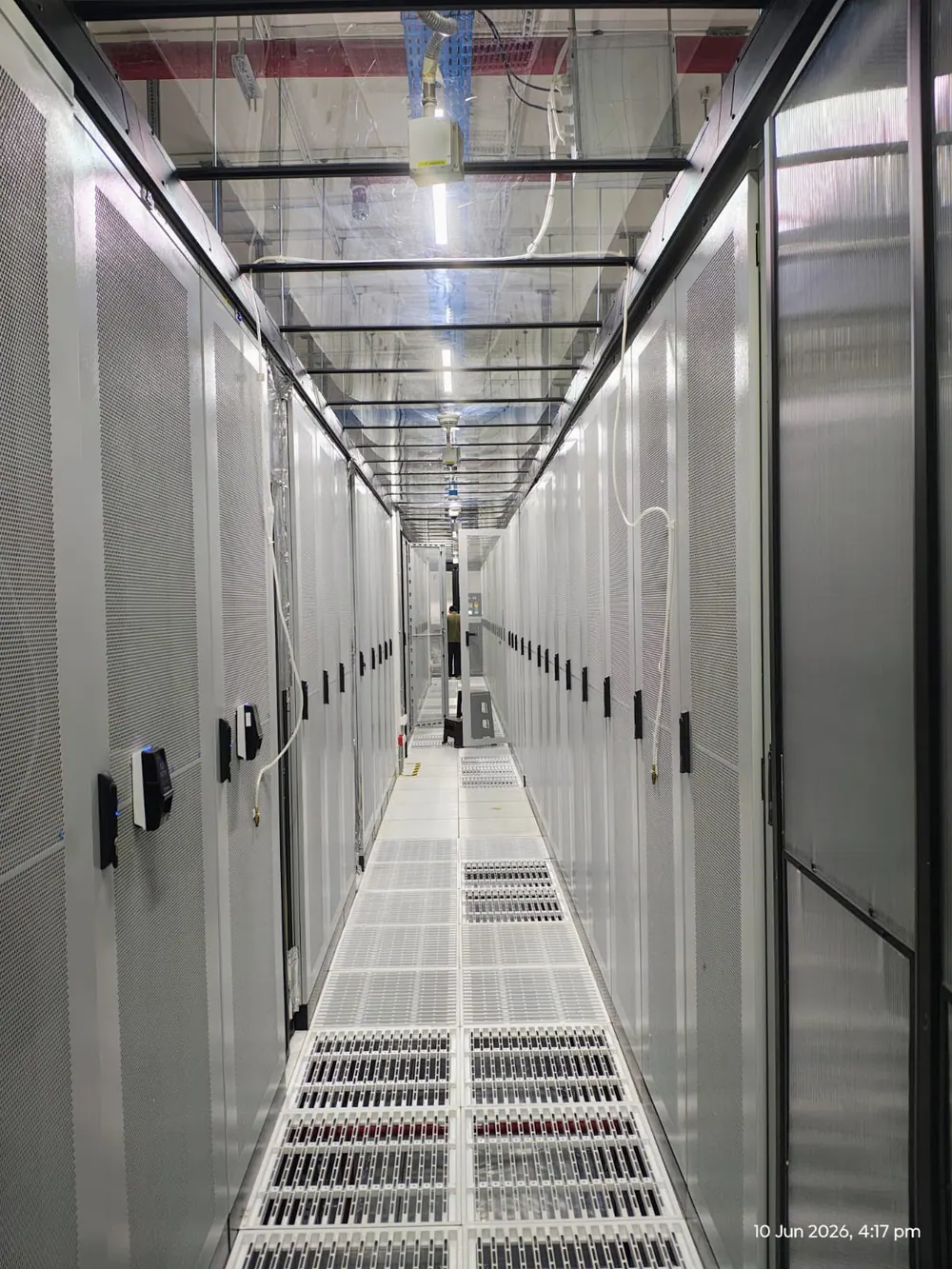
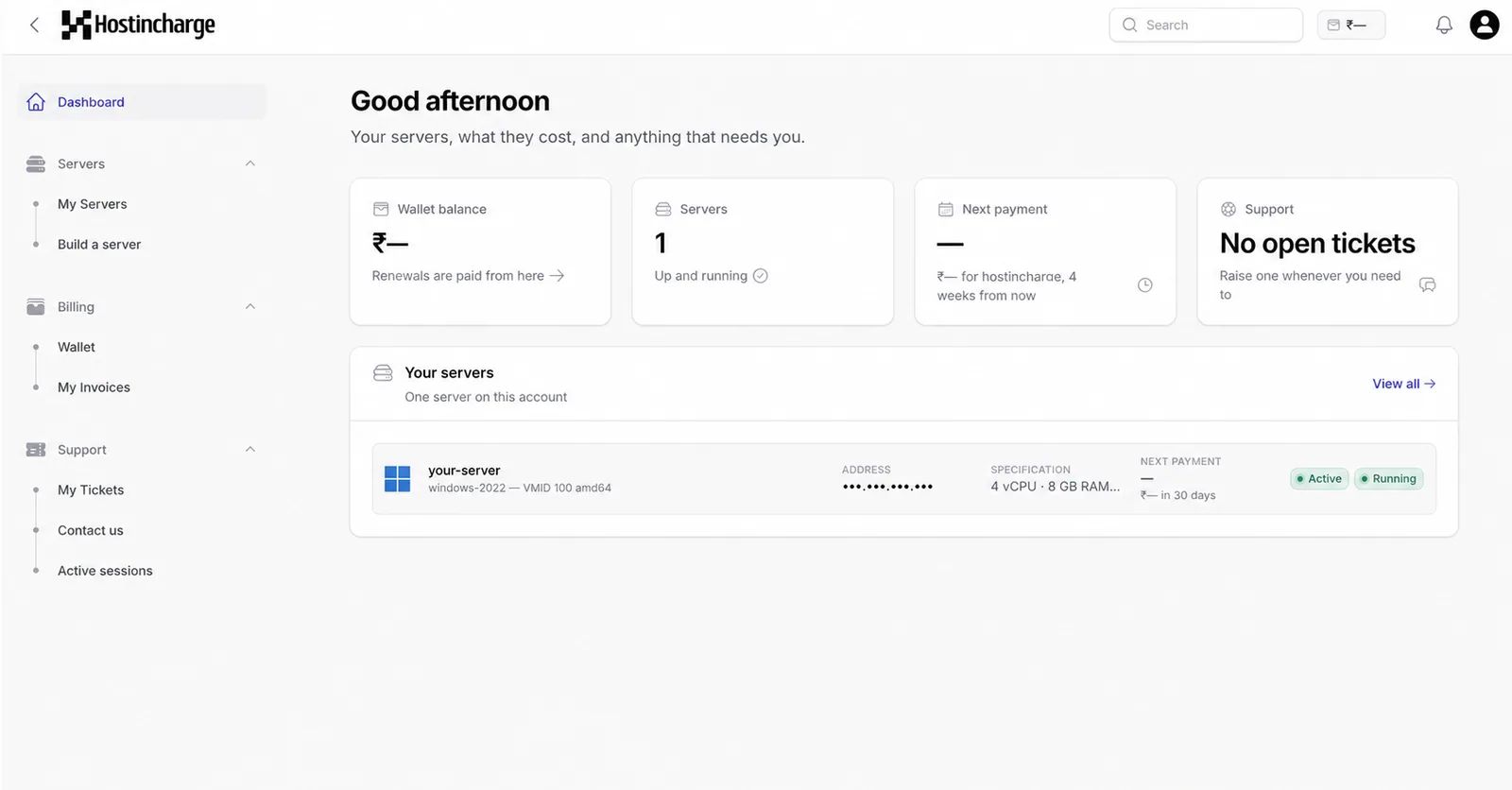
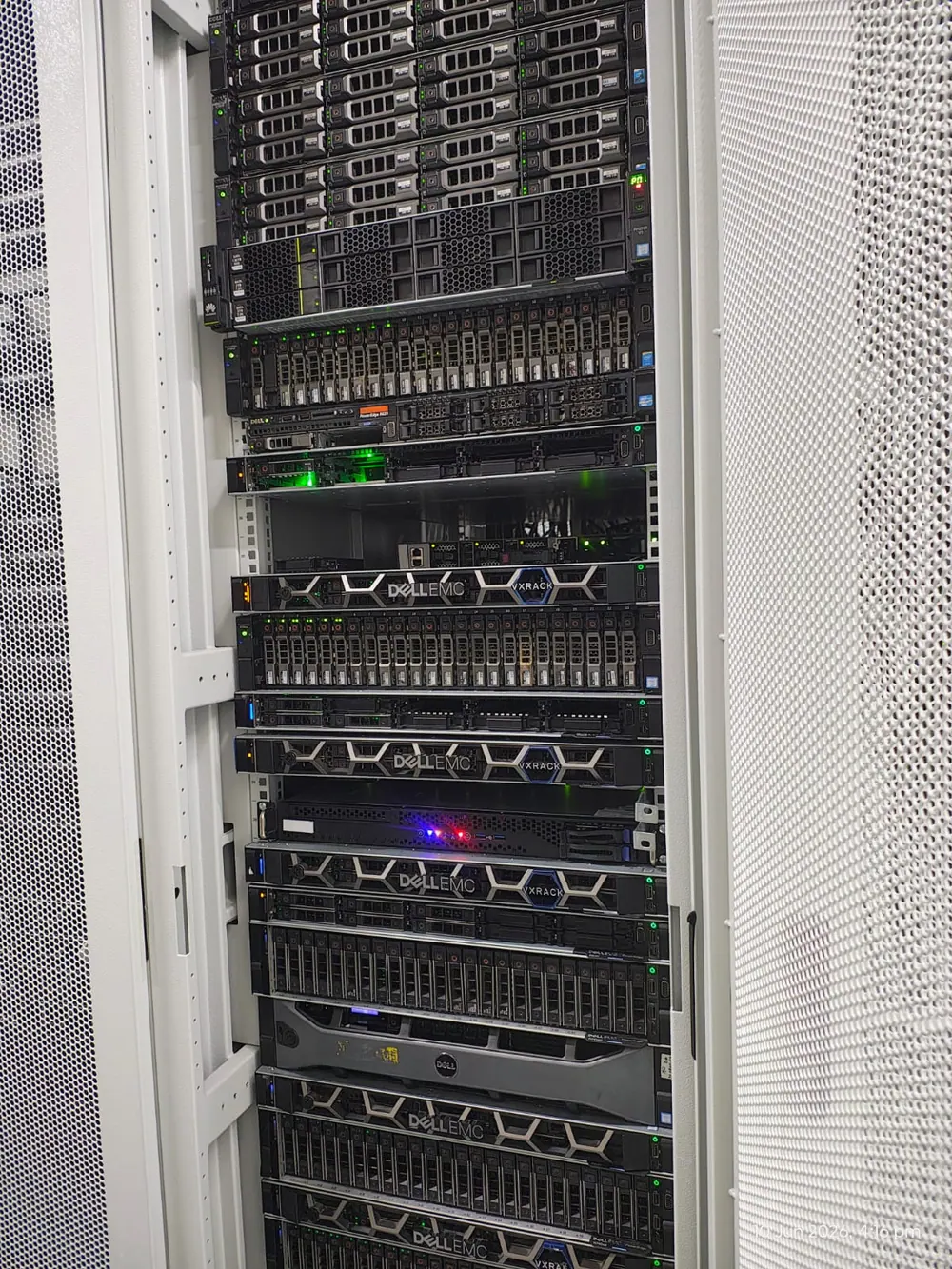
A VPS is a virtual environment running on physical hardware alongside other virtual environments. It offers a defined allocation of resources and a convenient path for many applications. A dedicated server assigns an entire physical machine to one customer, giving you direct control over that machine's resources and configuration.
Neither model is automatically faster for every workload. The actual processor, memory, storage, network configuration, and application behaviour determine the result. Compare confirmed specifications for the options available to you.
Choose for the workload and the team
A VPS is often a sensible starting point for websites, APIs, development, and services that can grow through plan changes. Dedicated hardware can suit larger sustained workloads, specialised configuration needs, or teams that require the whole machine. Consider a virtual dedicated server when you need a more separated virtual resource profile but do not need an entire physical server.
Plan for administration as well as purchase price. Both choices need access controls, updates, monitoring, backup, and incident procedures. Clarify what your team will operate and what support is included.
- Can the workload fit comfortably within a published VPS plan?
- Does it need a particular hardware or storage configuration?
- How easily must resources change over time?
- What are the recovery and support requirements?
Make a decision you can revisit
Choose the smallest confirmed configuration that meets current demand with a practical margin. Document the signals that would trigger an upgrade or migration, such as sustained resource pressure, storage growth, or a new compliance requirement.
HostIncharge can help compare its VPS, VDS, and dedicated-server options for your use case. Ask for the exact available specification and service scope before placing an order.